The evolutionary history from functional ‘lungs’ to brand’ face ‘
In the design of the front face of a car, there is a component that not only carries crucial engineering functions, but also defines the visual soul of the vehicle, which is the car grille. It has evolved from a simple functional opening to the most recognizable design symbol of the brand, a perfect combination of engineering and art.
1、 Core function: The “respiratory system” of the vehicle
The fundamental function of a grille is functional. It is usually an opening on the front bumper, whose main task is to introduce cooling air into the engine compartment.
Heat dissipation and cooling: The engine generates a large amount of heat during operation, requiring continuous air flow through the radiator to cool it down. The grille is the entrance to this’ life passage ‘, ensuring that the engine runs at optimal temperature.
Intake demand: For turbocharged models, the intercooler also requires cold air introduced by the grille to cool the compressed high-temperature intake and improve engine efficiency. In addition, it also provides external fresh air for the air conditioning system.
Protective function: The mesh or grid like structure behind the grille can effectively prevent large flying stones, tree branches, and other foreign objects from directly impacting expensive and fragile core components such as radiators and condensers behind.
2、 Design Evolution: From Functional Components to Brand “Face”
With the development of the automotive industry, the design value of grilles has long been on par with their functional value, and even more prominent.
Early stage: In the early days of the birth of automobiles, the grille was just a purely functional component, designed simply or even exposed.
Stylish period: Starting from the 1930s, brands began to realize the importance of front-end design. For example, BMW’s “kidney shaped grille”, Audi’s “big mouth” grille, and Alfa Romeo’s “shield shaped” grille have all become family genes passed down for decades, making vehicles easily recognizable even without logos.
Modern and Future: Nowadays, grilles have become the “first visual focus” of automotive design. Its size, shape, and material (chrome plated, high gloss black, body color) directly determine the personality of the vehicle – whether it is luxurious and atmospheric, sporty and fierce, or technologically simple.
3、 Challenges and Innovations in the Electric Age
The rise of electric vehicles has brought revolutionary changes to grille design.
Change in functional requirements: Pure electric vehicles do not have internal combustion engines, greatly reducing the demand for heat dissipation. In theory, they no longer require huge air intakes.
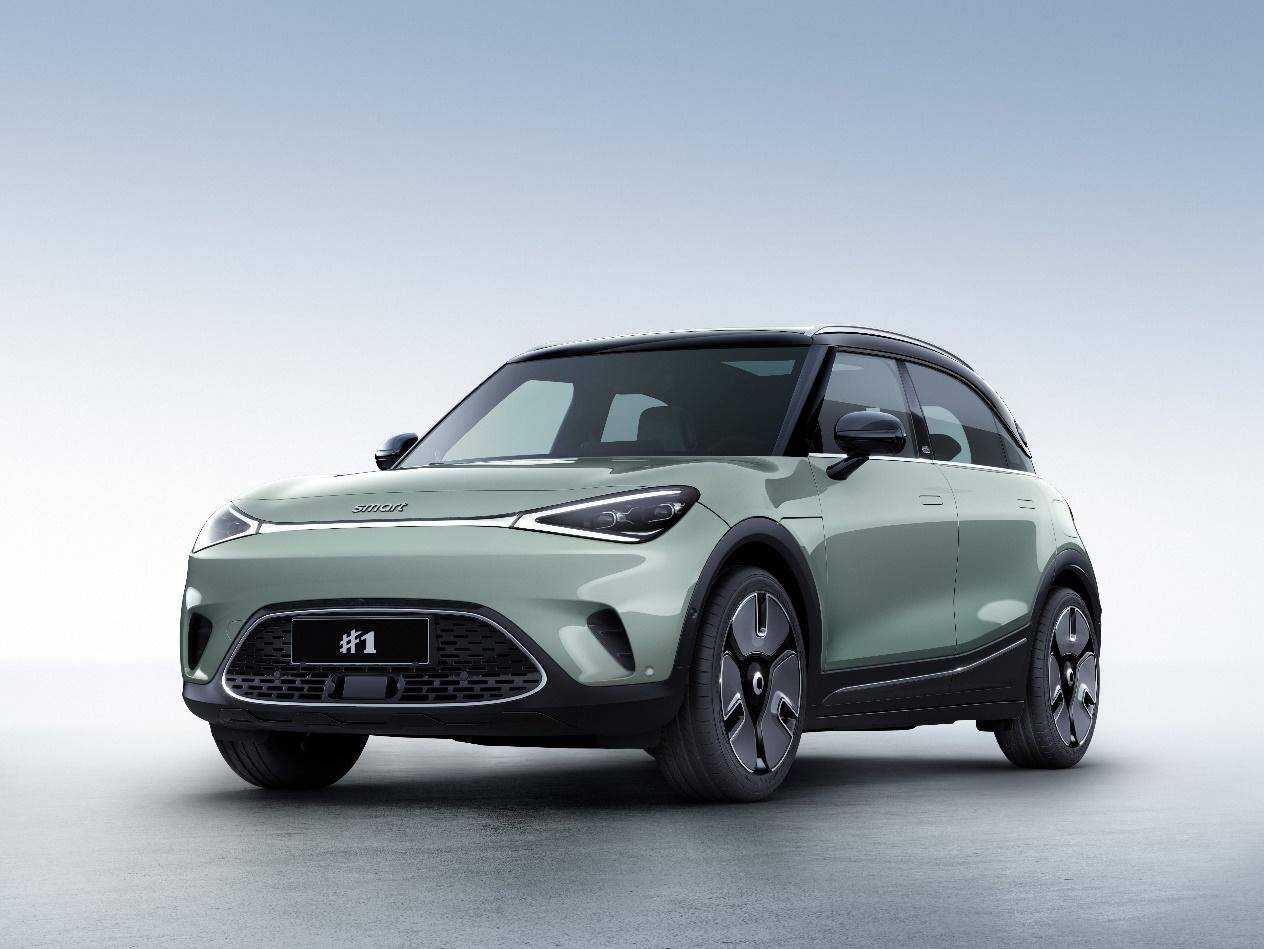
The design dilemma of “fake grille”: In order to maintain brand recognition and consumer aesthetic habits, many electric vehicles (such as BMW i series, Hyundai IONIQ series) choose to retain the grille shape, but turn it into a closed “fake grille” with integrated sensors, cameras, and assisted driving hardware inside.
The birth of a new design language: On the other hand, brands such as Tesla and Extreme Krypton boldly abandoned the traditional grille concept and adopted a completely enclosed and smooth front face, creating an extremely simple and futuristic image, creating a new design trend.
4、 Active grille: intelligent functional sublimation
Technology has also brought innovation in traditional fields – Active Grille Shutter. This system typically consists of electronically controlled blades.
Working principle: When the vehicle does not require a large amount of cooling (such as high-speed cruising, cold start), the blades will close, reducing the drag coefficient; When the system detects an increase in cooling demand (such as intense driving or low-speed climbing), the blades will automatically open and introduce cooling air.
Benefits brought:
Reduce fuel/electricity consumption: When turned off, it can optimize aerodynamics and reduce wind resistance by up to a certain percentage, thereby saving energy.
Quick warm-up: Closing the grille when the car is cold can reduce the heat carried away by the airflow from the engine, help the engine reach operating temperature faster, and improve efficiency.
Random Posts
-

Embracing a New Year of Stronger Partnerships and Shared Growth Jan 6, 2026
-

The evolutionary history from functional ‘lungs’ to brand’ face ‘ Sep 4, 2025
-

Not just illuminating the road ahead – the evolution and selection of car headlights Sep 4, 2025
-
Chinese Car in Turkey Automobile 2025 Market Mar 9, 2026
-

Car doors: a fusion of art and technology beyond opening and closing Sep 4, 2025
Random Products
-
 Combined headlamp assembly I (right) for CS95 S401041-0117
-
 Camera for Chery F20-7900301CF
-
 Left rear fog lamp and reflex reflector assembly for Tiggo 8 Plus 605000367AA
-
 Side mirror-right for Tiggo 8 PRO 601000047AADQJ
-
 Spring-brake pad for MVM 315H A13-3501080
-
 Windshield wipers for ZY24
-
 Combined headlamp assembly I (right) for CS95 S401041-0123-AA
-
 Fully synthetic oil for GK SN5W-40(full)4L
-
 Timing belt for X22 477F-1007073

