Air filter – the “mask” of the engine
In modern cities, we are well aware of the importance of wearing masks for health. The same goes for the engine of a car, and the “mask” that provides protection for it is the air filter. This seemingly simple paper filter element shoulders the responsibility of inhaling clean air for the engine, directly affecting the engine’s power, fuel consumption, and lifespan.
Why do we need to wear masks?
The working principle of an engine is to inhale air and mix it with fuel before combustion. If unfiltered air directly enters the engine, impurities such as dust, pollen, and sand particles contained in it will become “abrasives”, accelerating the wear of precision components such as cylinder walls and piston rings. Long term use of dirty air filters can lead to:
Decreased power and increased fuel consumption: clogged filter leads to poor air intake, making it difficult for the engine to breathe and resulting in insufficient oil and gas mixing, leading to reduced power. In order to maintain power, the ECU will inject more fuel.
Abnormal wear: Fine particulate matter enters the cylinder, like feeding sand to the engine, causing early wear.
Poor combustion: Dirty air filters can break the ideal air-fuel ratio, leading to increased carbon buildup and even damaging expensive oxygen sensors and three-way catalytic converters.
Replacement cycle and inspection method
The replacement cycle of the air filter depends on the operating environment of the vehicle. It is usually recommended to check every 10000 to 20000 kilometers or once a year. If driving frequently in areas with high dust and poor road conditions (such as construction sites and rural dirt roads), the replacement interval should be shortened.
The inspection method is simple: open the engine hood, find the air filter box, take out the filter element and observe it against the light source. If the filter paper has clearly turned black, clogged, and no light is visible, it must be replaced immediately.
How to choose?
When choosing an air filter, filtration efficiency, dust holding capacity, and air permeability are key indicators.
Original accessories: The most reliable match with the vehicle’s intake duct design, with guaranteed filtration accuracy.
Brand accessories: products from major manufacturers such as MAN, Mahler, Bosch, etc., with reliable quality, are a highly cost-effective choice.
High flow style: mostly made of washable and reusable cotton or gauze filters, focusing on increasing air intake to optimize power, but the filtration accuracy may be slightly lower than the original paper filter, making it more suitable for modification players.
Random Posts
-

Embracing a New Year of Stronger Partnerships and Shared Growth Jan 6, 2026
-

Oil filter – the “kidney” of the engine Sep 4, 2025
-

Car doors: a fusion of art and technology beyond opening and closing Sep 4, 2025
-

The evolutionary history from functional ‘lungs’ to brand’ face ‘ Sep 4, 2025
-

Chinese Car in Turkey Automobile 2025 Market Mar 9, 2026
Random Products
-
 Rear output shaft bearing for MVM315 H, MVM315 SD, NEW MVM315 H, NEW MVM315 SD, NEW MVM315 H Sport, NEW MVM315 H Sport L, MVM X22 MT, MVM X22 MT SPORT, ARRIZO5 MT COMFORT, New MVM315H Sport E 513MHA-1701402
-
 Combined headlamp assembly II (left) for CS95 S401041-0220
-
 T15 rcl-b lamp -high configuration-r for Chery 2018 Tiggo 7 605000071AA
-
 Right front fog lamp for Tiggo 8 Plus 605000508AA
-
 Air filter for FA-R60P
-
 Grille for X22PRO 602001713AA
-
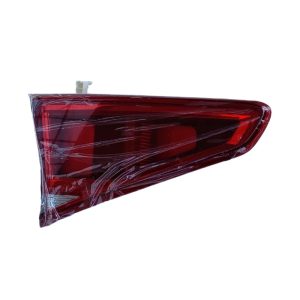 T15 rcl-b lamp -high configuration-l for Chery 2018 Tiggo 7 605000070AA
-
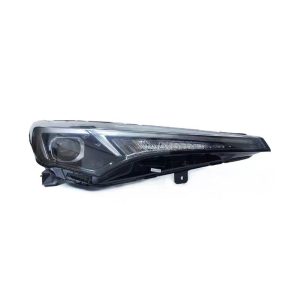 Combined headlamp assembly I (left) for EADO PLUS C211F280501-0106
-
 Side mirror-right for Chery 601000429AABCE

